

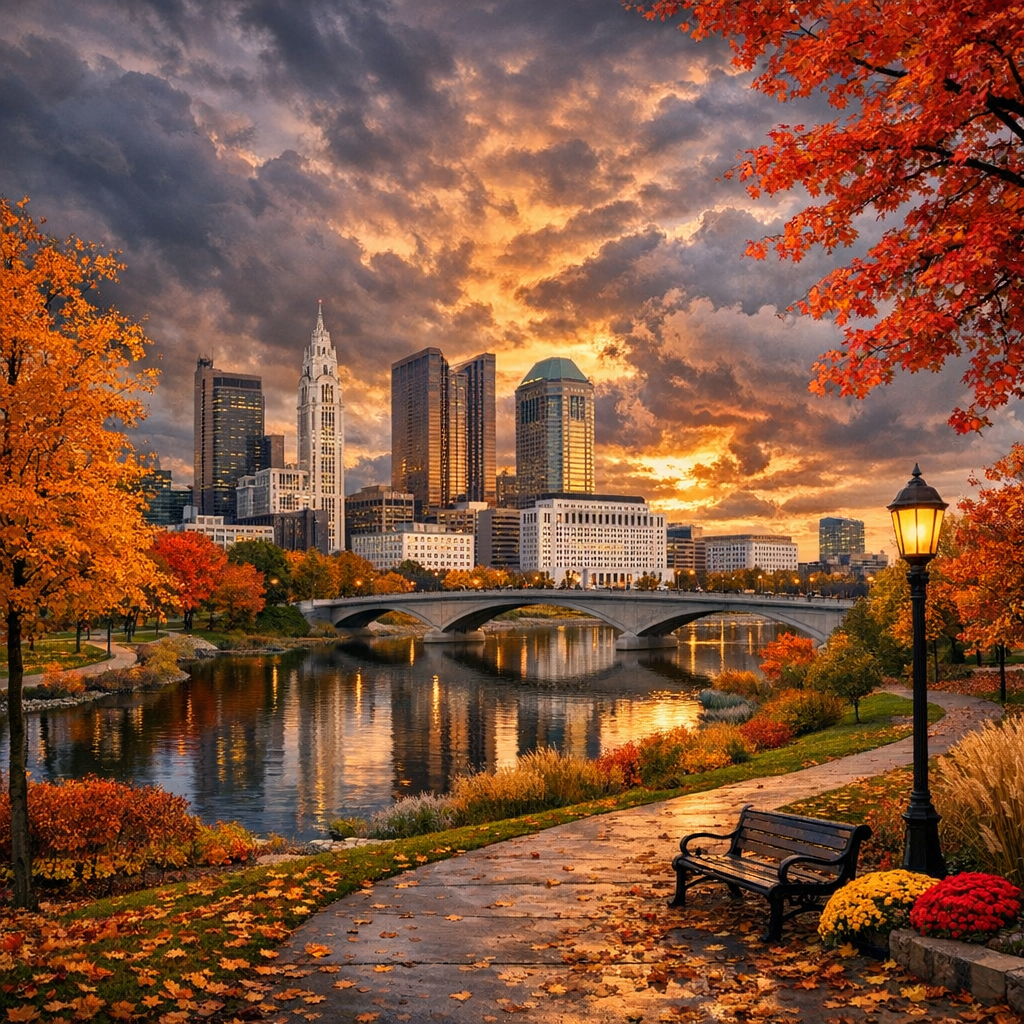
Hi, I’m Alexander Garcia. When I walk outside these days, I can’t help but notice: things feel different. The winters aren’t as cold. The rainstorms are heavier. Spring arrives earlier. These shifts are more than just odd weather—they’re part of what climate scientists are seeing across Ohio and particularly in Columbus.
What Columbus’ Climate “Normals” Look Like
Columbus lies in a humid continental climate zone, meaning summers are warm and humid, winters are cold and snowy, and there’s precipitation year-round. Temperatures usually swing between a high of around 84 °F in July and winter lows around 24 °F. Annual snowfall averages support snowy winters, while the lack of a strong dry season means rain and snow arrive throughout all four seasons. These are the patterns many of us grew up with.
How Things Are Shifting
Growing Season & Freeze Dates
Historically, Columbus has begun seeing its last spring freeze in mid-April and the first fall freeze around late October. But over the decades, those freeze dates have crept outward—spring is green earlier, and frost comes later. This means a longer growing season for gardens and farms—but also more risks from late freezes or early frosts.
Hotter Summers, Milder Winters
Average temperatures have trended upward. Summer highs are inching higher; winters are not quite as harsh. Overnight lows are rising more rapidly than daytime highs—a sign that the coldest nights are becoming less common. That kind of shift affects everything: from how much we cool or heat our homes to the kinds of plants and insects that thrive.
More Intense Rain Events
Rainfall itself is going through changes. Springs and winters have become wetter. And when it does rain, it’s more likely to do so in heavier bursts. That means more stormwater runoff, more risk of flash flooding, and more strain on aging drainage systems. Columbus’ shifting rain patterns align with statewide and regional trends.
Heat, Health, and Environmental Risks
Human health is tightly linked to weather. Hotter, more humid days increase heat stress—and humidity helps trap pollutants, making air worse around us. Also, milder winters sometimes mean fewer cold breaks for pest populations, and more pests surviving through the season. These shifts might seem subtle year-to-year—but over time they have real effects on people, ecosystems, infrastructure.
Why It Matters Locally
For residents, gardeners, urban planners, and anyone who relies on nature and weather:
- Gardening & agriculture: Changing freeze dates and more rainfall mean gardeners have to adjust planting and harvest schedules—unexpected frosts or soggy soil can hurt crops.
- Stormwater & infrastructure: Intense downpours can overwhelm drainage systems, leading to flood risks, especially in low-lying neighborhoods.
- Health: More heat means higher risk of heat exhaustion and respiratory issues.
- Ecosystems: Wildlife, pollinators, and native plants often depend on seasonal cues—those cues are shifting, sometimes desynchronizing relationships like leaf-out, bloom times, and migration.
What We Can Do
Even though these changes are large-scale, many actions are available at the community or personal level:
- Support and plant trees—especially native species—to help shade your neighborhood and improve cooling.
- Pay attention to local climate “normals” when planning gardens, outdoor work, or events.
- Advocate for better stormwater infrastructure and flood mitigation in areas prone to run-off.
- Watch weather forecasts and advisories—on high-heat days, limit exertion; during heavy rain, be aware of flood risk.
Columbus’ weather and environment are in motion. Recognizing change, adapting thoughtfully, and preparing for what’s ahead help us protect both the city we share and the natural world we depend on.