

Columbus is actively addressing climate change through comprehensive plans and community engagement. The city’s Climate Action Plan aims to reduce greenhouse gas emissions by 45% by 2030 and achieve carbon neutrality by 2050. This plan encompasses various sectors, including sustainable neighborhoods, energy-efficient buildings, waste reduction, and transportation improvements.
Community Engagement and Volunteer Efforts
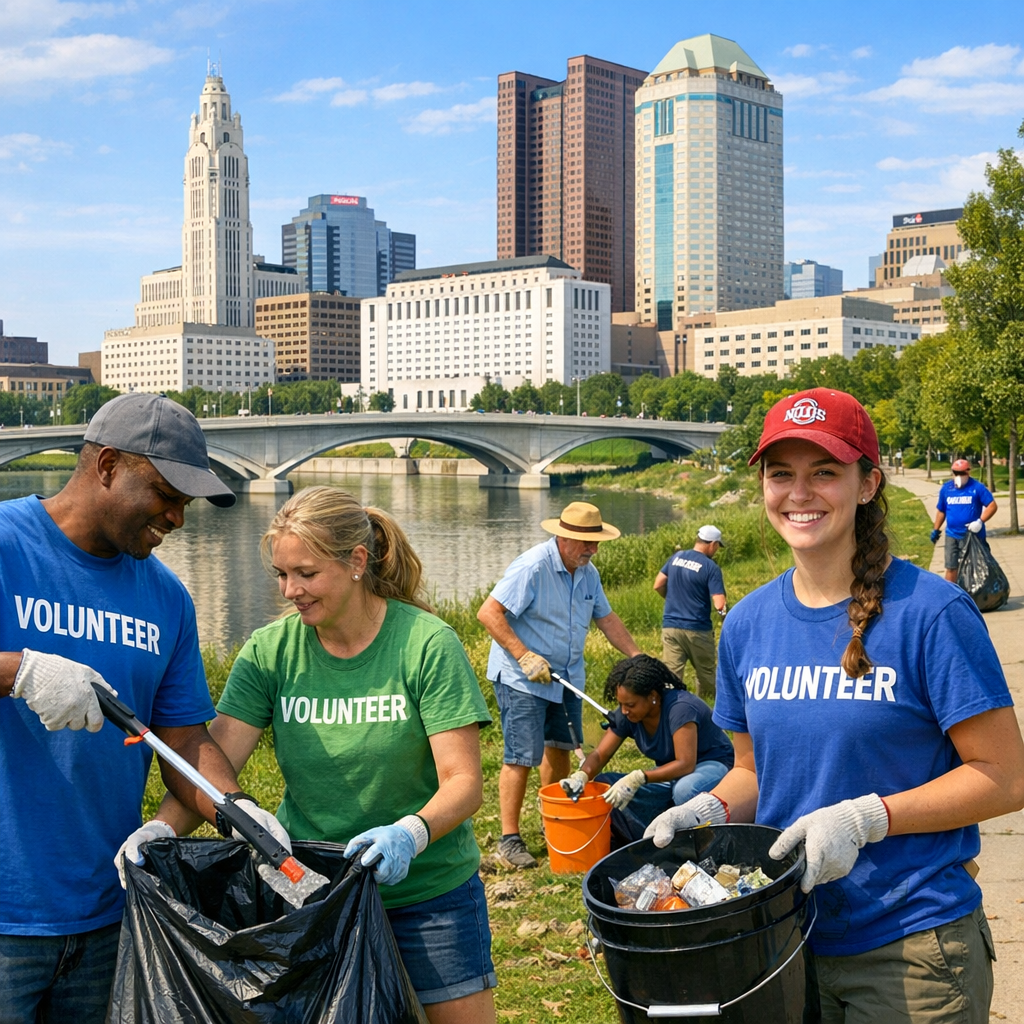
Local organizations and volunteers play a crucial role in Columbus’ environmental initiatives. For instance, the grassroots group ‘Trash Party’ organizes regular cleanups across the city, bringing together volunteers to remove litter from highways and trails. In just a few months, they have collected over 1,500 bags of trash, fostering community connection and environmental stewardship.
Advancements in Recycling and Waste Management
Columbus has made significant strides in recycling and waste management. The Rumpke Recycling & Resource Center, opened in 2024 near Linden, is the largest and most technologically advanced recycling facility in North America. Utilizing artificial intelligence, the center processes up to 500 million pounds of recyclables annually, enhancing efficiency and reducing manual labor.
Tree Canopy Expansion and Urban Forestry
Efforts to expand the city’s tree canopy are also underway. A 2021 report indicated that tree coverage in Franklin County increased by 2.8% from 2011, reaching 24%. However, there is still room for growth, and residents are encouraged to participate by requesting new trees through the city’s 311 service.
Protecting Natural Resources
Columbus is committed to protecting its natural resources, such as the Big Darby Creek, one of the most biologically diverse aquatic systems in the Midwest. The city is currently reviewing updates to the Big Darby Accord, a development agreement aimed at preserving the watershed, to ensure it reflects current environmental needs and community input.
Through these initiatives and the active participation of its residents, Columbus continues to make significant progress toward a sustainable and resilient future.