

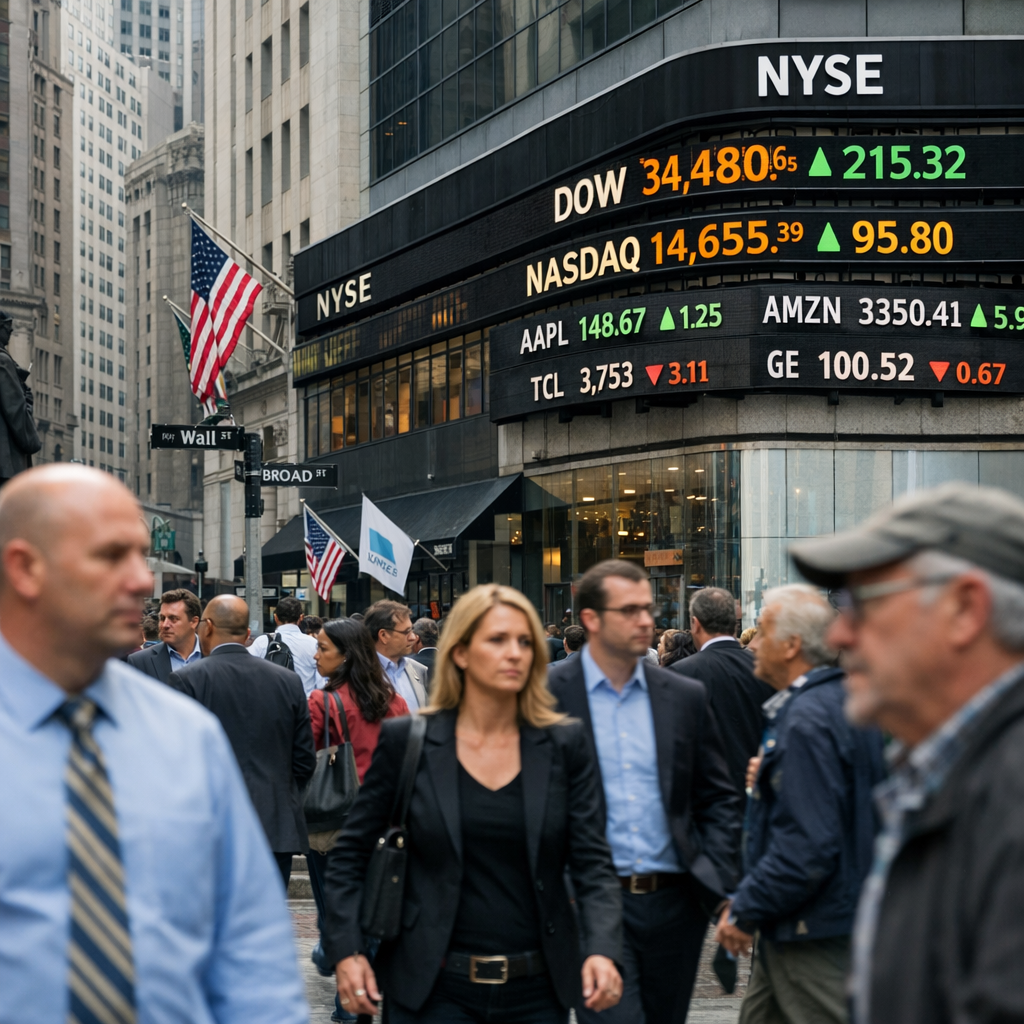
The U.S. economy has demonstrated resilience in recent quarters, with several key indicators reflecting its current state.
Gross Domestic Product (GDP) Growth
In the first quarter of 2026, the U.S. economy expanded at an annualized rate of 2.1%, a notable increase from the previous estimate of 1.6%. This growth suggests a steady economic recovery, though it remains essential to monitor future trends for sustained progress.
Employment Trends
The labor market continues to add jobs, albeit at a slower pace compared to previous years. While employment remains relatively strong, economists are vigilant for signs that higher borrowing costs might be impacting consumer spending and business investment.
Inflation and Federal Reserve Policies
Inflation rates have shown signs of stabilization, prompting the Federal Reserve to maintain interest rates at their current levels. Officials are closely monitoring inflation and labor market trends to determine future monetary policies, with potential rate adjustments under consideration for later in 2026.
Housing Market Developments
Addressing the housing affordability crisis, Congress is making bipartisan progress on legislation aimed at increasing the housing supply. This initiative seeks to mitigate the persistent underbuilding of housing, a significant factor contributing to rising housing costs.
International Trade and Investment
Despite geopolitical uncertainties, the U.S. remains an attractive destination for international investors, particularly in the industrial real estate sector. Asian investors, for instance, continue to view the U.S. market as a stable environment for long-term investments, contributing to the growth and diversification of the economy.
In summary, the U.S. economy is navigating a complex landscape with cautious optimism. While growth indicators are positive, ongoing monitoring and adaptive policies will be crucial in sustaining economic stability and addressing emerging challenges.